
Neurology Care & Advanced Diagnostics

At Southeast Neurology and Pain Management, our team provides comprehensive evaluation and treatment for conditions affecting the brain, spine, and nervous system. We combine individualized care with state-of-the-art diagnostic technology to help patients understand their symptoms and treatment options.

Neurological Conditions We Treat

Our specialists diagnose and manage a wide range of disorders, including:

  • Neuromuscular diseases
  • Seizures and epilepsy
  • Stroke
  • Parkinson’s disease
  • Alzheimer’s disease and dementia
  • Multiple sclerosis
  • Spinal cord disorders
  • Pinched nerves and neuritis
  • Dizziness, numbness, and sensory changes
  • Headaches and migraines
  • Movement disorders

These conditions often require detailed evaluation and long-term management, and our team is equipped to guide patients every step of the way.

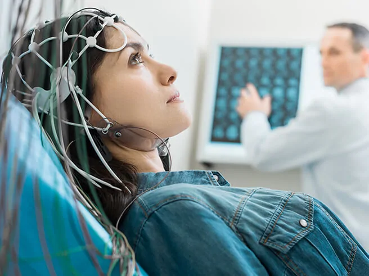
EEG Testing in Tallahassee

An electroencephalogram (EEG) records the brain’s electrical activity and is an essential tool for diagnosing seizures and other neurological disorders. Small sensors are placed on the scalp, and the test is completely noninvasive.

How to Prepare for an EEG

  • Arrive with clean, dry hair
  • Avoid oils, sprays, or hair styling products
  • Remove extensions, glue, and weave installations before the test
  • Continue regular medications unless instructed otherwise

EEGs can reveal abnormal electrical patterns that help explain symptoms such as seizures, confusion, or episodes of altered awareness.
EMG & Nerve Conduction Studies (NCS)

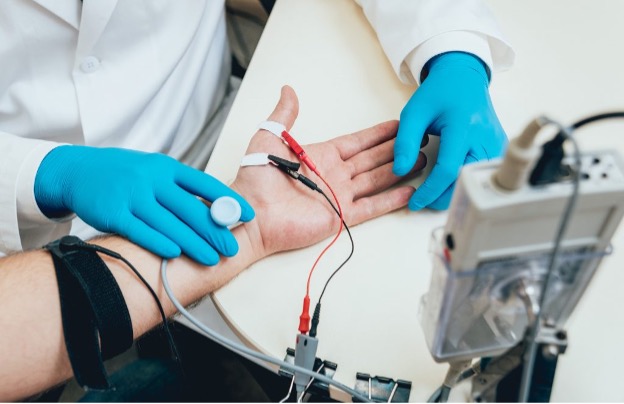
EMG and NCS testing help pinpoint nerve or muscle dysfunction causing symptoms like tingling, weakness, numbness, and radiating pain.

What These Tests Measure

  • NCS evaluates how quickly nerves conduct signals
  • EMG measures the electrical activity in muscles

Patients may feel brief tingling during NCS or mild discomfort during EMG needle testing, but most tolerate the procedure well.

How to Prepare

  • Shower beforehand and avoid lotions or oils
  • Wear loose, comfortable clothing
  • Bring a full list of medications, especially blood thinners

Results are typically available immediately, helping your provider determine next steps in diagnosis and treatment.

Botox Treatment for Neurological Conditions

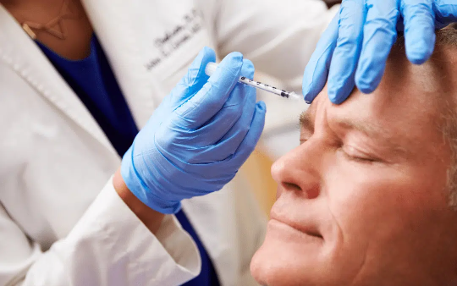
Botox isn’t just a cosmetic option—it’s also a proven medical therapy for many neurological and pain-related conditions.

Medical Uses for Botox

Botox can improve symptoms by relaxing overactive muscles or blocking nerve signals associated with pain. It may help with:

  • Chronic migraines
  • Cervical dystonia (severe neck muscle spasms)
  • Blepharospasm (uncontrolled blinking)
  • Hemifacial spasms
  • Muscle tightness after stroke, MS, or brain injury
  • Excess drooling or sweating

What to Expect During Treatment

  • Consultation with Dr. Gilreath or Dr. Jones to determine candidacy
  • Quick in-office injections with minimal discomfort
  • No downtime—patients may resume normal activity
  • Treatments are usually repeated every 3–4 months

Botox may not be suitable for individuals who are pregnant, breastfeeding, or have certain allergies or skin conditions near the injection site.